
Asthma affects over 300 million people worldwide, making it one of the most common chronic respiratory conditions. Similarly, Chronic Obstructive Pulmonary Disease (COPD) and Interstitial Lung Disease (ILD) are major contributors to global respiratory disease burden, with millions suffering from frequent exacerbations, hospitalizations, and reduced quality of life. COPD is a long-term lung disease that affects about 11% of adults over 25. Cases are expected to rise from 480 million in 2020 to 592 million by 2050—a 23% increase. While smoking is a major risk factor, others like air pollution, lifestyle, other health conditions, workplace exposure, and genetics can also lead to or worsen COPD.Despite their prevalence, many patients struggle with managing symptoms effectively.
But there’s good news: the convergence of digital health technologies and respiratory analytics is reshaping the way we manage chronic lung diseases—making care smarter, faster, and more personalized. The integration of analytics with digital health solutions is transforming the way patients and healthcare providers approach respiratory disease management, offering data-driven insights for better outcomes. Hybrid models shift chronic disease management from a reactive, episodic, and costly approach to one that is proactive, preventive, and efficient.
The Role of Respiratory Analytics
Respiratory analytics leverages data from various sources, including wearable devices, mobile apps, electronic health records, and environmental sensors. By analyzing patterns in symptoms, medication usage, and external triggers like air quality and allergens, these tools provide personalized insights that help patients and doctors make informed decisions across Asthma, COPD, and ILD.
Key benefits of asthma analytics include:
- Predictive Insights: Identifying early warning signs of disease flare-ups, allowing for proactive intervention.
- Medication Adherence Monitoring: Tracking usage patterns to ensure patients follow prescribed treatment plans.
- Environmental Triggers Identification: Recognizing trends in weather, pollution, and allergens that contribute to exacerbations.
- Improved Patient Engagement: Empowering individuals to take control of their health through real-time monitoring and feedback.
Digital Health: A Game-Changer for Respiratory Disease Management
Digital health technologies are revolutionizing care by making data accessible, actionable, and personalized. Mobile apps, smart inhalers, and telemedicine platforms allow patients to monitor their symptoms, receive tailored recommendations, and connect with healthcare providers remotely.
Some key digital health innovations include:
- Smart Inhalers: Tracking medication usage and providing reminders to support adherence.
- AI-Powered Chatbots: Offering real-time guidance and answering patient queries.
- Remote Monitoring Systems: Enabling doctors to track patient progress and adjust treatments as needed.
- Wearable Sensors: Measuring respiratory rates and environmental factors that impact asthma, COPD, and ILD symptoms.
Hybrid Models and Remote Monitoring in ILD Care
Hybrid healthcare delivery, combining in-person and telehealth visits, is an essential part of the modern care landscape. This model is especially valuable for managing chronic conditions such as ILD, where disease progression can be unpredictable.
However, one of the challenges with hybrid models is monitoring patients effectively during remote interactions.
Remote Patient Monitoring (RPM) offers a viable solution. In ILD clinical trials, tools like remote spirometry and oximetry have proven to be reliable in tracking lung function and oxygen levels. These technologies provide clinicians with the data needed to assess disease activity and make timely decisions—mirroring clinic-based assessments without requiring physical presence.
The Future of Respiratory Care with Digital Health
As technology continues to evolve, digital health solutions will play an increasingly vital role in managing asthma, COPD, and ILD. With AI-driven analytics, personalized treatment plans, and enhanced patient engagement, respiratory care is becoming more efficient, proactive, and tailored to individual needs.
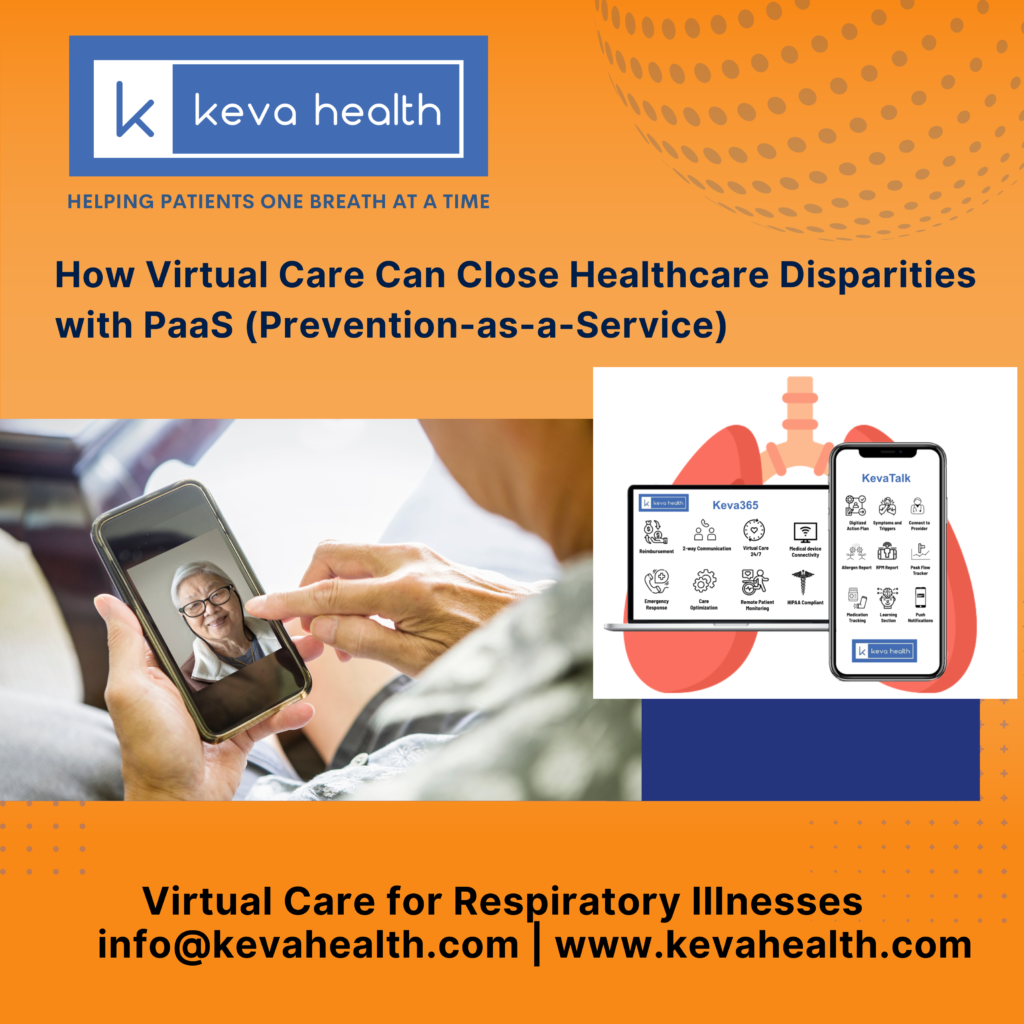
At Keva Health, we are committed to leveraging digital health and respiratory analytics to empower patients and healthcare professionals with the tools they need to manage chronic respiratory conditions effectively. By embracing data-driven healthcare, we can improve patient outcomes and revolutionize respiratory care for the future.
What’s Next? The future of respiratory care is rooted in predictive, patient-centered solutions. Keva Health is leading this evolution with digital RPM tools tailored for Asthma, COPD, and ILD patients.
Join us in empowering better breathing—one patient at a time.


Leave a Reply
You must be logged in to post a comment.